WHAT CAUSES UNEVEN SKIN TONE AND HOW TO CARE FOR IT
6 Causes Of
Uneven Skin Tone
balance.

- 1. Hormonal Changes
Hormonal fluctuations can increase melanocyte activity (pigment-
producing cells), leading to excess melanin production that may result in
patchy areas of discolouration such as melasma, often seen during
pregnancy, menstruation or menopause.3 - 3. Sun Exposure (UV Damage)
Unprotected exposure to UVA and UVB rays stimulates melanocytes to
produce melanin. Excess melanin in localised areas can cause visible
changes in skin tone, which may lead to sun spots, age spots and
uneven-looking pigmentation over time.5
- 4. Post-Inflammatory Marks and Scarring
After skin inflammation such as breakouts, irritation or minor injuries, the
skin may produce excess melanin during the healing process, leaving
behind dark marks or discolouration known as post-inflammatory
hyperpigmentation.6 - 5. Skin Dryness and Dehydration
When the skin barrier lacks moisture, its surface becomes less smooth
and light reflects unevenly, making the complexion appear dull, rough
and less uniform even without changes in pigment.7 - 6. Environmental Factors
Pollution and environmental stressors can trigger oxidative stress and
low-level inflammation in the skin, which may disrupt melanin regulation
and contribute to an uneven-looking complexion over time.8

4 Signs of
Uneven Skin Tone
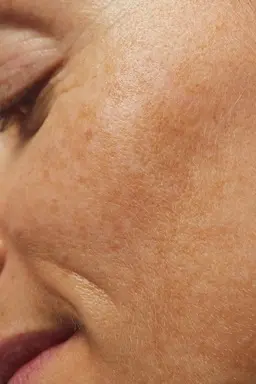
Uneven skin tone can appear in different ways across the skin. These signs reflect changes in skin appearance, discolouration, texture and overall skin clarity.

- Darker or Lighter Patches of Skin Tone
Some areas of the skin may appear darker and less even in tone than surrounding areas, which can contribute to a patchy-looking complexion.
- Red Marks
After breakouts or irritation, the skin may show temporary Redness or discolouration, contributing to an uneven-looking complexion.9
- Dull or Tired-Looking Complexion
Skin may appear less radiant or lack natural luminosity, which can make the tone look less even.10
- Rough or Dry TextureUneven skin tone may also be accompanied by areas of rough or Dry skin texture, which can make the complexion feel less smooth and appear less uniform in tone.
4 Ways To Improve And
Maintain An Even-looking Skin Tone
A consistent skincare routine can help support and maintain a more balanced-looking complexion over time. Focusing on gentle care, protection, hydration and skin-
supporting ingredients can help keep skin looking more even, smooth and radiant.
- 1. Daily Sun Protection
Using sun protection every day helps Protect the skin from UV exposure,
which contributes to uneven looking skin tone over time.11 Daily SPF will
help prevent uneven skin tone developing. - 2. Gentle Exfoliation
Gentle exfoliation helps remove dead skin cells from the skin's surface,
supporting skin cell renewal.12 Over time, this may help support a
smoother, more refined and more even-looking skin texture. - 3. Hydration and Moisture Support
Keeping the skin well-hydrated can help Hydrate and maintain a balanced-looking
complexion.13 Moisturised skin can appear more radiant and supported,
helping reduce the appearance of Dull skin and uneven tone over time.


- 4. Targeted Ingredients
Certain skincare ingredients are commonly used in formulas designed to
help improve the appearance of uneven skin tone and support a more
balanced-looking complexion.14
Thiamidol®:
Patented thiamidol found in many products across the NIVEA Luminous630® range helps reduce the appearance of dark spots and
uneven pigmentation, supporting a more Even skin tone and luminous
complexion over time.
Vitamin C:
Often used to help brighten the skin and reduce the appearance of dark
spots linked to environmental stressors such as UV exposure and
pollution.
Niacinamide (Vitamin B3):
Helps support the Skin barrier while helping reduce the appearance of
Redness and uneven-looking pigmentation.
Skincare Routine To
Support Uneven Skin Tone
A consistent routine may help support a more even-looking complexion over time.
- Step 1: Cleanse
Cleanse helps remove SPF, makeup and impurities that can affect skin clarity. NIVEA Serum Infused Micellar Water Luminous630® Skin glow effectively removes waterproof make-up and sunscreen while helping to refine the appearance of clogged pores and reveal a more radiant, even-looking complexion. Formulated with a 5% Serum containing 1% PHA and hyaluronic acid, it deeply Cleanse, gently exfoliate and helps reduce the appearance of face redness, leaving skin feeling Hydrate, soft and soothed.
- Step 2: Exfoliate (1-2 Times Per Week)
Exfoliate helps support natural skin renewal and refine Skin texture over time. Use NIVEA Luminous630® Skin Glow Daily Liquid Exfoliant once per day, in the morning or evening, if you want to help remove dead skin cells and support a more refined, even looking and Glowy skin complexion. Formulated with 4% AHA, 1% PHA and aloe vera, this leave-on exfoliate helps refine clogged pores and support a smoother-looking skin surface.
Note: A slight tingling sensation may occur during use. Do not apply to irritated
skin and avoid direct contact with the eyes. As this product may increase the skin's
sensitivity to the sun, it is recommended to use sun cream and limit sun exposure.
Use only one chemical exfoliate per day.


- Step 3: Target Uneven Tone
This step focuses on supporting a more even-looking complexion and improving overall skin appearance over time. Serums and targeted care help support skin clarity and radiance.
Perfect & Radiant LUMINOUS630 ANTI DARK MARKS Serum
Powered by patented LUMINOUS630® technology with Thiamidol® , it acts on existing pigmentation to lighten dark marks and reduce their size, while working with your skin’s natural melanin production to help prevent the appearance of new dark marks and spots – for an even & luminous skin. Dermatologically approved and suitable for all skin types, including sensitive skin. Use morning and evening to help reveal a brighter, more even-looking complexion.
NIVEA Luminous630® Anti Dark-Spot Eye Treatment
With Thiamidol®, Hyaluronic Acid and Caffeine, it helps reduce the appearance of dark circles and puffiness for a more refreshed-looking eye area.
Moisturize helps maintain hydration and supports the Skin barrier for a more balanced-looking complexion.
Day cream
Use a daily moisturiser with spf to Hydrate skin and help Protect against UV exposure that may contribute to uneven tone. Use NIVEA Luminous630®® Anti Dark-Spot UV Face Fluid SPF50 if you want to reduce the appearance of dark spots over time and achieve a more even-looking skin tone. Formulated with thiamidol, hyaluronic acid, vitamin e and UVA/UVB filters, it helps keep skin Hydrate and smoother day after day while helping to Protect against UV rays, one of the leading causes of dark spots.
Night cream
NIVEA Luminous630® Anti Dark-Spot Even Tone Night Cream supports overnight skin renewal. Ideal if you want to reduce the appearance of dark spots over time while supporting the skin's natural overnight renewal process. Formulated with thiamidol and hyaluronic acid, it helps reduce the appearance of dark spots and wrinkles, leaving skin looking smoother, Revitalize and more radiant by morning.
Please Note:
Do not use products containing thiamidol more than 4 times per day in total.
UV protection is one of the most effective ways to prevent the appearance of dark spots and an uneven complexion. Limit your sun exposure by staying in the shade when UV rays are strongest, wear Protective clothing, and reapply sun cream regularly to exposed areas.