How to Help Get Rid of Dark Spots:
Causes, Care & Prevention

4 Common Areas for
Dark Spots
- Face:
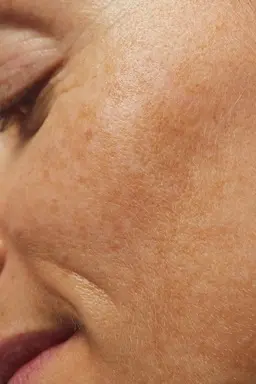
The face is especially vulnerable to pigmentation because of constant UV exposure and its thinner, more sensitive skin. Over time, this can result in uneven tone and visible dark patches that affect your overall brightness.
- Hands:
Hands are one of the first places to show signs of sun damage, often developing brown spots or age spots. With frequent environmental exposure and less melanin regulation as we age, hyperpigmentation on the hands becomes more pronounced.
- Chest:The chest area is often overlooked in sun care, but it's highly prone to UV-induced pigmentation. Irregular skin tone and darkened areas on the chest can result from years of unprotected or inadequate exposure, especially in warmer climates.
- Back:Dark patches can form on the back due to a combination of sun exposure, skin irritation from friction, or the buildup of dead skin cells. These marks may appear uneven and can be difficult to treat without a consistent routine.

How do the formulas within
Luminous630 help dark spots?

NIVEA Luminous630 products are developed to fade dark spots and help prevent future pigmentation by working at the cellular level to rebalance melanin production and target dark spots at the root cause.
NIVEA Luminous630
Skincare Routine to Reduce Dark Spots:
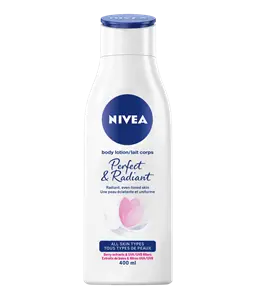
Apply a serum that can help brighten your skin and fade dark spots. The Perfect & Radiant LUMINOUS630 ANTI DARK MARKS Serum formula contains patented LUMINOUS630® (Thiamidol®) to act on existing pigmentation, lighten dark marks and reduce their size, while working with your skin's natural melanin production to reduce the appearance of new dark marks and spots. Effective on all skin tones, dermatologically approved and suitable for all skin types including sensitive skin, it offers a gentle and approved approach to skincare.
For men, the NIVEA MEN 2 in 1 Anti-Dark Spots Anti-Age Power Serum can help tackle dark spots. It is formulated with Luminous630 (previous denomination for Thiamidol®) and hyaluronic acid to hydrate, combat wrinkles and diminish the size of brown marks. The serum offers a convenient solution for men seeking effective anti-dark spot care.


Select a moisturiser that effectively hydrates your skin without clogging pores. Maintaining proper skin hydration can significantly improve its overall look and feel.
A day cream offers vital moisture and hydration throughout the day to help maintain the skin's natural barrier. Choosing a day cream containing UV filters and antioxidants helps protect against external factors such as UV rays, pollution and stressors, which can play a role in the development of dark spots and other skin concerns. The Perfect & Radiant LUMINOUS630 ANTI DARK MARK Day Cream SPF50 provides triple protection at cell level against dark marks and their reappearance, and against sun-induced photoageing, while giving an oil-control, mattified finish and helping to visibly reduce existing dark marks and spots.
At night, it's beneficial to support your skin's renewal process by using a night cream. Opt for a night cream infused with ingredients that can help reduce the visibility of dark spots as you sleep. The NIVEA Luminous630 Anti-Dark Spot Even Tone Night Cream contains cell-activating hyaluronic acid to plump wrinkles, and Thiamidol® to help reduce the appearance of dark spots. The formula also helps regenerate the skin overnight.
Throughout the day, it's essential to protect your skin from the sun and harmful UV rays by using a sunscreen with a strong SPF. Sun exposure can further darken your dark spots.
The NIVEA SUN UV Face Specialist Dark Spot Control Fluid helps to prevent and visibly reduce sun-induced spots by protecting your delicate facial skin against UV rays. Its light and non-greasy fluid formula contains Thiamidol®, hyaluronic acid and vitamin e, and offers a refreshing effect and a smooth skin feeling.


Dark spots can also appear on the body, especially on areas like the shoulders, chest, arms and back. Including a dedicated body care step can help improve overall skin tone and reduce visible marks.
The NIVEA Luminous630 Anti Stretch Marks range with Thiamidol (previously called Luminous630) is specially formulated to address both stretch marks and dark spots on the body. Thiamidol, a patented active ingredient, is clinically proven to reduce the appearance of dark spots and help prevent their reappearance with consistent use. It also helps even out skin tone differences to make stretch marks less visible.
This targeted range includes two skincare products for the body: an anti-dark spots and anti-stretch marks cream and a body oil-serum specially designed for stretch marks. Apply daily to areas of concern for best results. Use only one Luminous630/Thiamidol-containing product per day on the body.
1–3 times a week, gently exfoliate your skin to help remove dead skin cells and improve the effectiveness of your skincare products. Exfoliation can help speed up the skin's natural turnover process, which can fade dark spots over time.
The NIVEA Luminous630 Skin Glow Exfoliant Liquid 100ml, formulated with 4% AHA, 1% PHA and soothing aloe vera, provides gentle and effective exfoliation to help refine skin texture, reduce the appearance of pores and leave the complexion looking brighter and more even.
Be careful not to over-exfoliate your skin, as this can lead to irritation.


Luminous630 Instant Glow Serum
This lightweight serum is suitable for all skin tones and works effectively to fade existing dark spots and help prevent their reappearance. Used consistently, it helps reveal a more radiant, smooth and even-looking complexion in just a few weeks.

How to prevent
dark spots on skin?
- Use SunscreenUsing sunscreen protects your skin from the sun damage that causes brown spots. By using a high SPF sunscreen, you can help prevent your skin from becoming damaged and keep it as healthy as possible to combat dark spots on the skin.
- Cover UpBlack or brown spots on the face, neck and other overexposed areas can be prevented by covering them from the sun. Even if you use sunscreen, these areas are still more prone to dark spots than others. Try a baseball cap or a broad-brimmed hat to give your face and neck extra protection from the sun.
- Avoid The Midday SunThe sun reaches its highest temperature and most intense levels during midday and early evenings, increasing the risk of sun damage and the potential development of black and brown spots on the skin. To protect your skin, seek shade during these times and enjoy the sun during periods when it isn't as damaging.
By adopting these preventive measures and making sun protection a priority, you can significantly reduce your risk of developing dark spots and maintain healthier, youthful-looking skin over time.