What Causes
Dry Skin on Legs?
Dry skin on legs is a common concern that can leave skin feeling rough, flaky, or uncomfortable. Factors such as cold weather, hot showers, ageing, and everyday skincare habits can all contribute to moisture loss and make dryness more noticeable.
This guide explains what causes dry skin on legs and how to care for and help prevent it, including NIVEA products that can help keep skin soft and comfortable.
6 Common
Symptoms of Dry Legs
Dry skin on the legs can develop gradually or appear suddenly, particularly during colder months or after frequent exposure to hot water. Symptoms include:

- Rough, Flaky Skin
One of the earliest signs of dry skin on the legs is a rough texture. The skin may feel coarse and develop visible flakes, particularly around the shins, knees and calves.
- Itchy Legs
Itching is one of the most common symptoms of dry legs. Mild dryness can cause occasional irritation, while more severe dryness may lead to persistent itchy legs that become worse after bathing or at night.
- Tight or Uncomfortable Skin
Dry skin on legs often feels tight, especially after showering or swimming. This happens because the skin has lost moisture and its natural protective barrier is weakened.
- Scaly or Peeling Skin
Severe dryness can cause the skin to become scaly, with larger patches of peeling skin. These areas may feel rough and uneven and can become irritated if scratched.
- Cracked Skin
When dry skin on legs is left untreated, small cracks (known as fissures) can develop. Cracked skin on the legs may be painful and, in some cases, bleed or increase the risk of infection.
- Redness and Irritation
Dry legs can sometimes become inflamed, leading to redness and increased sensitivity. Scratching itchy areas may worsen irritation and further damage the skin barrier.
6 Common Causes of Dry Legs
Dry legs can be caused by many different factors2, mostly depending, lifestyle and skin care routine. Here are six common causes.
- Weather And Low Humidity:
Cool weather2 strong winds and dry indoor heating may pull moisture from the skin, leaving the skin on your legs feeling tight and rough.
- Hot Showers And Baths:
Long, hot washes can strip the skin of its natural oils, and very hot water is one of the most common reasons the skin on your legs may dry out.
- Harsh Soaps:
Strong soaps and shower gels may disrupt the skin barrier, making it harder for the skin to hold on to moisture, causing dry patches on legs.
- Shaving:
Shaving may irritate the skin and remove some of its protective surface, which could leave the skin feeling dry or flaky, sometimes with peeling skin on the legs.
- Ageing³
As skin gets older, its ability to retain moisture reduces, and it can lead to dry skin, particularly on the legs, so a good moisturising routine is important.
- Skin Conditions:
Some skin conditions, such as xerosis, eczema or psoriasis, can show up as dry, itchy patches or red and silver scales, often on the legs or arms. Ichthyosis can also cause⁴ dry, scaly skin.

4 Steps to Caring for
Dry Skin on Legs
Caring for dry legs does not need a complicated routine. These five steps may help support the skin barrier and keep legs feeling softer and more comfortable.

- Cleanse Gently
Start your routine with a gentle shower or bath in lukewarm water rather than hot, as very hot water may strip the skin of its natural oils. Choose a mild, fragrance-light cleanser and avoid harsh scrubbing, which could irritate dry skin.
- Pat Skin Dry
After washing, gently pat your legs dry with a towel rather than rubbing. Leaving a little moisture on the skin may help prepare it for the next step.
- Moisturise Regularly
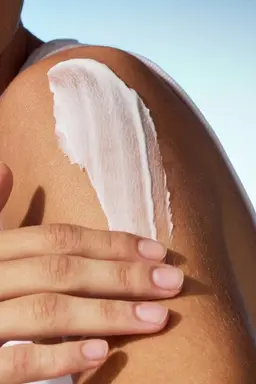
Apply a body lotion or serum straight after showering, while the skin is still slightly damp. This can help lock in moisture and support the skin barrier, leaving legs feeling softer and smoother.
For dry to very dry legs that feel rough or uneven, NIVEA Advanced Repair Body Lotion is a richer formula containing 12% Glycerin, Urea and AHA & BHA complex (including Lactic Acid), which helps gently exfoliate and smooth the skin while providing immediate relief from feelings of discomfort and supporting hydration for over 72 hours.*
*Instrumental test, 43 volunteers. - Exfoliate Gently
Removing dead surface skin once or twice a week could help smooth rough, flaky patches. A gentle touch is essential, as over-scrubbing may make dryness worse.
If dry skin is very itchy, sore or does not improve over time, it is always best to check with a pharmacist or GP.
5 Ways to Help
Prevent Dry Skin on Legs
Preventing dry skin on legs is often easier than treating it. These five steps can help protect the skin barrier and keep legs feeling comfortable between showers.
- Moisturise Daily
Applying a body lotion every day could help maintain moisture over time. Moisturising immediately after showering, while the skin is still slightly damp, may help lock in hydration and support the skin's natural protective barrier.
- Keep Showers Short And Warm
Shorter showers in warm water may help the skin hold on to its natural oils. Very hot water and long showers can strip away these oils, leaving the skin feeling drier and more prone to irritation.
- Gently Pat Skin Dry
Gently patting with a soft towel rather than rubbing may be kinder to dry skin. Rubbing can create friction that may irritate already dry or sensitive skin, while patting helps retain a little surface moisture before applying moisturiser.
- Choose Gentle Products
Skin pH-neutral cleansing bars and shower gels formulated for dry skin help cleanse while respecting the skin’s natural barrier. Products such as NIVEA Derma Control Defend, formulated with Hyaluronic Acid and Pro-Vitamin B5, gently cleanse the skin while supporting its natural resistance to dryness and irritation.
- Protect Against The Elements
Covering up skin during cold or windy weather and using a humidifier indoors could help reduce moisture loss. Cold air, wind and dry indoor heating can all draw moisture from the skin, making dryness more noticeable if left unprotected.

What NIVEA Product Works
Best for Dry Skin on Legs?
Choosing the right moisturiser can make a real difference to dry legs. The right formula for you will depend on your needs and preferences. A lighter formula tends to suit everyday care, while a richer lotion offers more comfort for very dry or rough skin.
Here are some of the best options for different needs:

For Very Dry or Sensitive Legs: NIVEA Repair & Care Intensive Care Body Serum Lotion is formulated with a 12% blend of Glycerin, Natural Origin Oils and Cica for dry to very dry skin. It helps repair the five signs of dryness from the first use*, absorbs quickly and is suitable for sensitive skin as well as children aged 3 years and over.
For Very Dry, Rough or Bumpy Skin: NIVEA Advanced Repair Body Lotion is a richer formula containing a 10% blend of Glycerin, AHA & BHA and Urea that helps repair, gently exfoliate and smooth very dry, rough and uneven-looking skin.
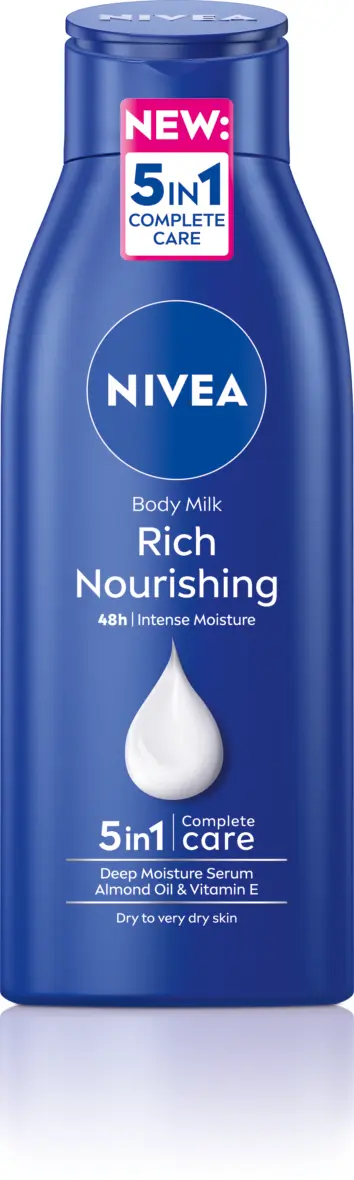
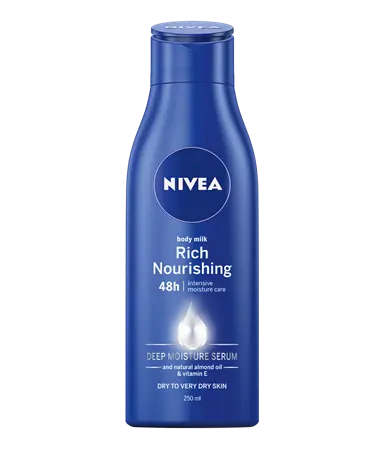
For Everyday Dryness: NIVEA Rich Nourishing Body Milk is enriched with Pure Hyaluron, Almond Oil and Deep Nourish Serum, providing 72 hours** of moisture for dry to very dry skin with a non-greasy finish.
For Versatile All-Over Care: NIVEA Creme is the original multi-purpose moisturiser for face, body and hands, suitable for all skin types and helping to soften even very dry areas.
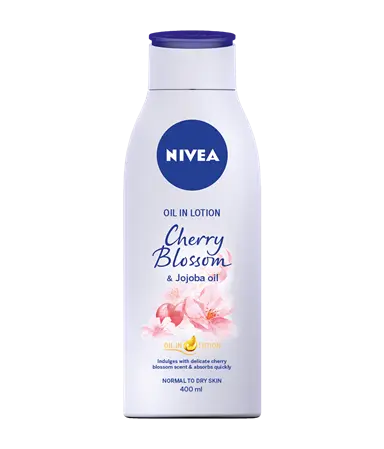
For a More Indulgent Routine: Oil in Lotion Cherry Blossom & Jojoba Oil combines Jojoba Oil with a light cherry blossom scent, giving 48 hours of hydration for normal to dry skin.
*4-week clinical trial involving 44 volunteers.
**Instrumental test, 42 volunteers.
7 Key Ingredients for
Dry Skin on Legs
Understanding what each ingredient does can help you choose the right product for dry legs. Different ingredients support different dry skin needs, so some may be more suitable than others depending on the cause of your dry skin. Here are some key ingredients to look for in products for dry skin:
- Glycerin²
Glycerin is a humectant that draws water into the skin and helps the skin retain moisture, and is one of the most widely used ingredients for dry skin, working to support the skin barrier while helping to keep legs feeling soft and comfortable throughout the day.
- Ceramides⁵
Ceramides are lipids found naturally in the skin's outer layer that help hold skin cells together and keep the barrier strong. Skin low in ceramides tends to feel drier and tighter, so replenishing them through skincare can help lock in moisture and reduce moisture loss from dry legs.
- Hyaluron⁶ (Hyaluronic Acid):
Hyaluron helps plump and hydrate the skin and works well alongside other moisturising ingredients, helping to draw water into the surface layers to leave dry legs looking smoother and feeling more supple.
- Cica⁷ (Centella Asiatica):
Cica is a plant extract known for its moisturising and soothing properties and is a good choice for dry skin that feels irritated, tight or sensitive, helping to comfort the skin while supporting the natural barrier.
- Pro-Vitamin B5 (Dexpanthenol):
Pro-Vitamin B5 is a moisturising ingredient that helps support the skin barrier and keep skin feeling soft and comfortable. It is commonly used in skincare formulas designed to care for dry or stressed-looking skin.
- Urea²
Urea is a dual-action ingredient that both moisturises and gently exfoliates, helping soften and smooth rough or bumpy skin, and is useful for legs that feel coarse or uneven, as well as dry.
- Natural Oils:
Natural oils help nourish and soften the skin while supporting the natural barrier. These oils provide a richer texture and a comforting feel, making them particularly suitable for very dry skin or for those who prefer a richer lotion.